The "Mother of All Deals" is Here: Decoding the India-EU Trade Deal Benefits for Startups
On January 27, 2026, history was made in New Delhi. After nearly 18 years of complex negotiations, India and the European Union (EU) successfully concluded talks for a historic Free Trade Agreement (FTA), described by leaders on both sides as the "mother of all deals".
For Indian startups, manufacturers, and import-export entrepreneurs, this is not just diplomatic paperwork—it is a gateway to a combined market of nearly two billion people comprising one-fourth of the global GDP.

Here is a breakdown of the economic benefits and the sector-specific opportunities this deal unlocks for Indian businesses.
📊 The Economic Impact: A New Era for Indian Exports
The EU is already India's largest trading partner for goods, with bilateral trade reaching approximately $136.5 billion in 2024-25. This agreement aims to supercharge those numbers.
Tariff Elimination: India will gain duty-free access for over 99% of its exports by value into the EU market.
Cost Competitiveness: The deal is expected to slash input costs for Indian manufacturers by allowing cheaper imports of European high-tech machinery and components.
Supply Chain Resilience: In a world of geopolitical uncertainty, this pact allows Indian entrepreneurs to diversify away from over-dependence on other markets and integrate deeply into European value chains.
🚀 Sector Spotlight: Who Wins?
For entrepreneurs looking for the next big opportunity, the FTA has created clear winners. If your startup operates in these sectors, the European market just got significantly closer.
1. Labor-Intensive Manufacturing (The Big Export Boost)
Historically, Indian exporters faced tariffs of 9–12% in the EU, putting them at a disadvantage against competitors like Bangladesh or Vietnam. This deal changes the game.
Textiles & Apparel: Tariffs will drop to zero, providing a massive boost to Indian garments.
Leather & Footwear: Immediate duty elimination will make Indian leather goods highly competitive.
Gems & Jewellery: A traditionally strong sector for India will now enjoy duty-free access, expanding its reach in European luxury markets.
2. Services & Tech Startups (The Mobility Breakthrough)
The agreement isn't just about goods; it’s a big win for India’s service sector.
Tech & Professional Services: India gains access to 144 sub-sectors in the EU, including IT/ITeS, engineering, and education services.
Mobility for Talent: A new "European Legal Gateway Office" will be set up in India to act as a one-stop hub to support the movement of professionals, specifically starting with the ICT (Information and Communication Technology) sector. This effectively creates a fast track for Indian tech talent to work on European projects.
3. Automobiles and Components
While India opens its doors to European luxury cars (reducing duties from 110% to 40% for specific quotas), this is a two-way street.
Auto Components: Indian manufacturers of auto parts, engines, and mechanical components will find it easier to supply to European car giants, integrating into their global supply chains.
4. Green Tech & Clean Energy
The EU is investing heavily in the green transition.
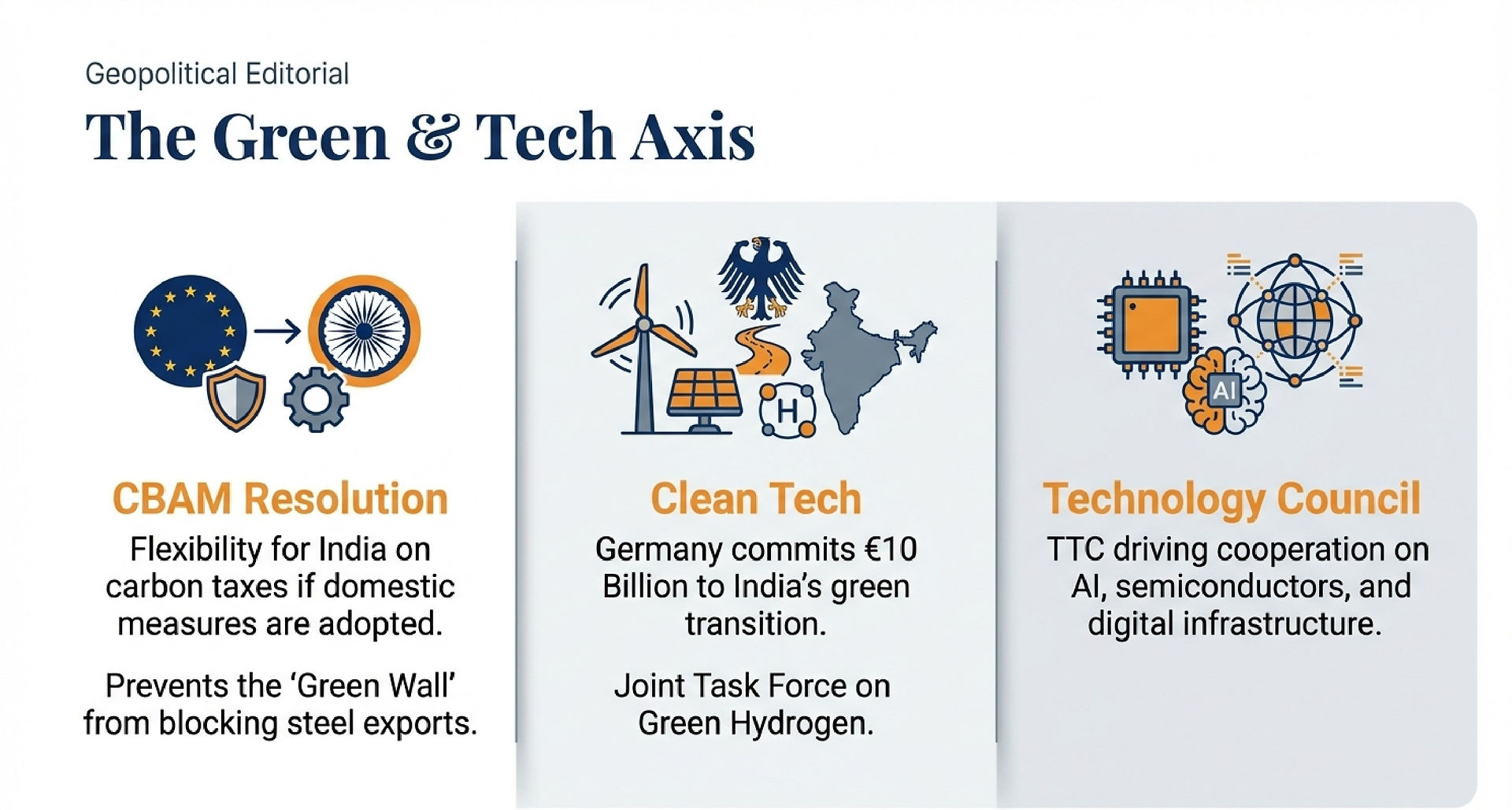
Investment Inflow: The deal envisages €500 million in EU support over the next two years to help India cut emissions, opening doors for startups in green hydrogen, solar, and battery technologies.
⚠️ A Note for Entrepreneurs: The "Quality" Hurdle
While tariffs are disappearing, non-tariff barriers remain the biggest challenge for Indian startups. The EU has strict standards regarding:
CBAM (Carbon Border Adjustment Mechanism): A carbon tax on energy-intensive goods like steel and aluminum.
Sustainability Standards: Strict rules on labor rights and environmental impact.
The Takeaway: To win in Europe, Indian startups must not only be price-competitive but also compliance-ready. The FTA provides the access; your quality provides the retention.
Stay tuned to maulikjoshi.info for deep dives into how to prepare your supply chain for the EU market.




Comments